
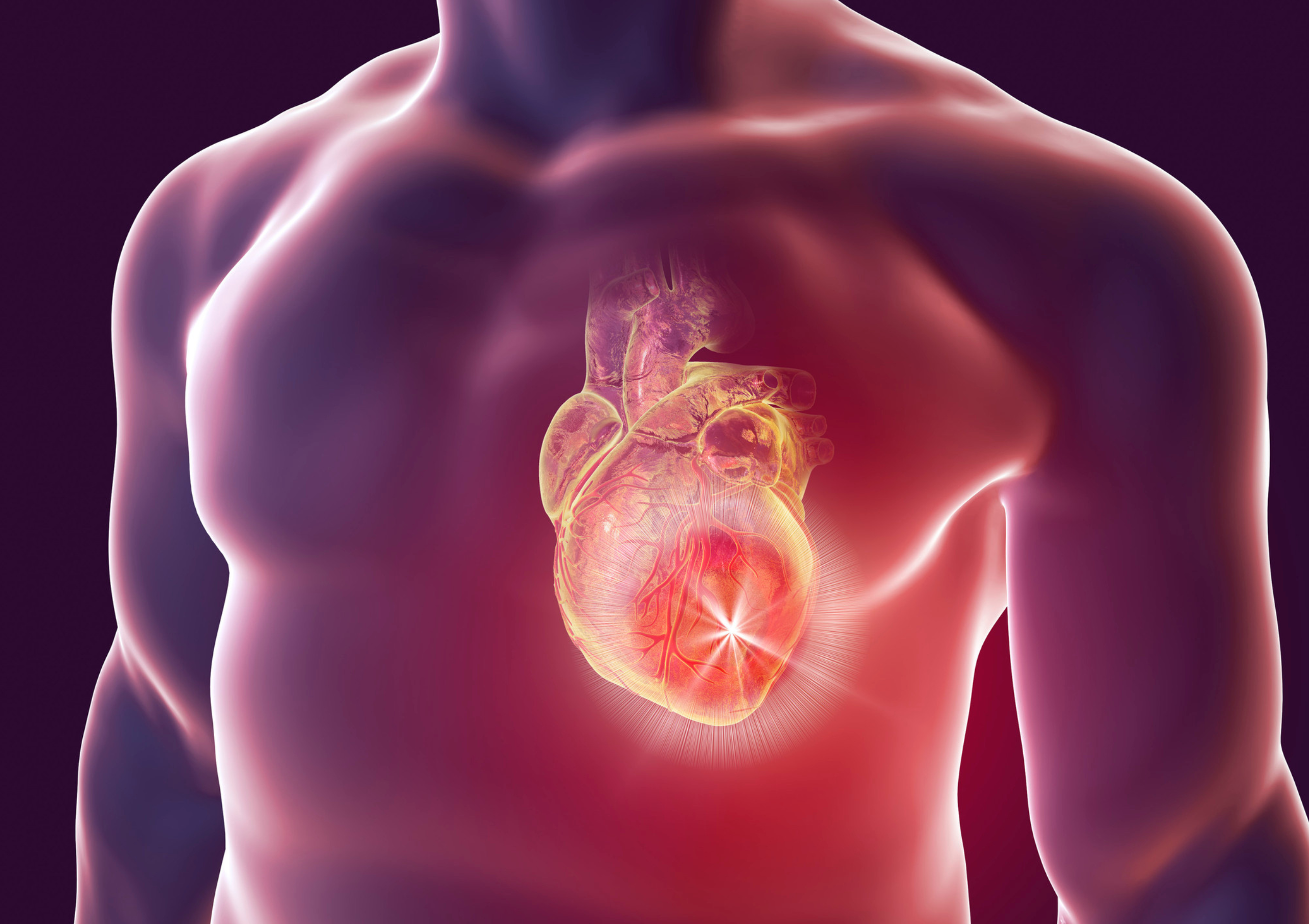
Heart disease often feels like a distant possibility until it lands on your doorstep. Maybe it’s a parent suddenly needing a stent, a friend mentioning high blood pressure, or a coworker’s unexpected hospital stay. Whatever the wake-up call looks like, one truth remains: heart disease is still the leading cause of death in the United States, affecting men and women of all ages. And because symptoms can be subtle or even silent, understanding how heart disease works is one of the most powerful forms of prevention.
At Colorado Springs Cardiology, we see firsthand just how often heart issues develop quietly over time. The good news? Knowledge is one of your strongest tools for early detection and long-term heart health. In this guide, we break down the major types of heart disease, the causes behind them, and the symptoms you should never ignore.
“Heart disease” isn’t just one condition; it’s an umbrella term that includes a wide range of cardiovascular issues. Some affect the blood vessels that feed your heart. Others impact the heart muscle itself. Some disrupt rhythm. And others create structural complications that make it harder for your heart to pump efficiently.
Despite these differences, many types of heart disease share similar risk factors and overlapping symptoms. That’s why getting professional evaluation, like the diagnostic services we offer at Colorado Springs Cardiology, is so essential.
Let’s walk through the most common forms of heart disease and what makes each unique.
The most common, and often the most dangerous, form of heart disease is Coronary Artery Disease (CAD).
Coronary artery disease happens when plaque builds up in your arteries, narrowing the vessels that supply blood and oxygen to your heart. Over time, this can lead to chest pain, shortness of breath, and in more advanced stages, heart attack.
Because CAD develops slowly, many people don’t know they have it until they begin experiencing symptoms or until a cardiac event occurs. That’s why early screening is crucial, especially if you have high cholesterol, a family history of cardiac issues, or lifestyle risk factors.
A heart attack, or myocardial infarction, is a sudden, life-threatening emergency caused by blocked blood flow.
You can think of a heart attack as the end result of untreated or undiagnosed coronary artery disease. When blood flow is completely blocked, often by a clot forming over plaque, the heart muscle begins to die.
Symptoms can be intense and sudden, but they can also be subtle, especially in women. Signs may include:
The American Heart Association offers an excellent breakdown of early warning signs.
Irregular heartbeats that disrupt your heart’s rhythm are referred to as arrhythmias.
Your heartbeat is controlled by electrical signals. When those signals misfire, the result is an arrhythmia. Arrhythmias can be fast (tachycardia), slow (bradycardia), or irregular (like atrial fibrillation).
Some arrhythmias are harmless. Others can increase stroke risk or lead to heart failure if untreated. If you’ve been feeling fluttering, skipping beats, or unexplained fatigue, arrhythmia testing may be necessary. We offer a range of diagnostic tools, including wearable monitors and electrophysiology evaluations, at Colorado Springs Cardiology.
Heart failure occurs when your heart can’t pump efficiently, but despite the name, it hasn’t stopped working.
Heart failure typically develops gradually as the heart becomes weaker or stiffer. This can happen after a heart attack, as a result of uncontrolled high blood pressure, or from long-term coronary artery disease.
Common signs include:
Heart failure is manageable, but it requires ongoing treatment and lifestyle adjustments. Early diagnosis makes a world of difference.
Cardiomyopathy is disease that affects the heart muscle itself.
Cardiomyopathy can make the heart enlarged, thickened, or rigid. This prevents the heart from pumping efficiently. Sometimes the cause is genetic; other times it results from infections, alcohol misuse, or chronic high blood pressure.
Because cardiomyopathy is often hereditary, screening is important if a biological family member has been diagnosed.
Problems with one or more of the heart’s valves is known as valve disease.
Your heart has four valves that control blood flow. If they don’t open or close properly, the heart must work harder to push blood through, leading to leaks, backflow, or restricted flow.
Valve problems can be caused by aging, infection, rheumatic disease, or congenital defects. Fortunately, advances in cardiology, like minimally invasive valve repair, have made treatment more accessible than ever.
Congenital heart disease is a heart abnormality present from birth.
These conditions can range from minor structural issues to complex defects. Some aren’t discovered until adulthood, when symptoms finally surface.
Colorado Springs Cardiology offers ongoing care for adults with congenital heart disease, ensuring lifelong monitoring and support.
Heart disease doesn’t come out of nowhere. In fact, many contributing factors are preventable—with the right lifestyle habits and medical guidance.
Let’s look at the most common causes:
This is the foundation of many heart problems, including coronary artery disease and heart attacks. Cholesterol, fat, calcium, and other substances accumulate inside the artery walls, narrowing them over time.
Diet plays a big role here, but so do genetics and chronic inflammation. Even people with healthy eating habits can develop plaque if they have a strong family history.
Chronic high blood pressure forces your heart to work harder than it should. Over time, this weakens the heart muscle and damages artery walls. It’s one of the biggest contributors to heart disease—and often goes unnoticed because many people have no symptoms.
Too much LDL (“bad” cholesterol) fuels plaque buildup. Too little HDL (“good” cholesterol) makes it harder to remove that buildup. Most patients benefit from a mix of lifestyle changes and medication.
Diabetes dramatically increases the risk of developing cardiovascular disease. High blood sugar damages blood vessels and accelerates atherosclerosis. According to the Centers for Disease Control and Prevention, people with diabetes are twice as likely to have heart disease as those without it.
Smoking accelerates plaque formation, raises blood pressure, reduces oxygen levels in the blood, and damages the lining of your arteries. Even occasional smokers face elevated risks.
Carrying excess weight strains the heart, increases inflammation, and is closely linked to high blood pressure and diabetes. But the good news is that even small increases in daily movement can significantly reduce cardiac risk.
Some people are simply predisposed to heart disease due to inherited conditions. If cardiovascular issues run in your family, early and proactive screening is essential.
Heart disease doesn’t always announce itself with dramatic signs. In fact, many early symptoms are easy to overlook or explain away as stress, fatigue, or aging.
Here are symptoms that should prompt a conversation with a cardiologist:
Not all chest pain is cardiac-related—but if it feels like tightness, squeezing, or heaviness, it’s worth getting checked.
Difficulty breathing during routine activities (or while lying down) can signal heart failure or valve issues.
Occasional skipped beats can be normal, but persistent irregular rhythm may indicate arrhythmia.
Fluid retention can be a sign of heart failure or valve complications.
If you’re exhausted after activities that never used to tire you, your heart may be struggling to pump effectively.
A sudden drop in blood pressure from an arrhythmia or blocked artery may cause this.
These symptoms, especially in women, can be early signs of a heart attack.
If you’ve noticed any of the above symptoms—or if you have risk factors such as high blood pressure, high cholesterol, diabetes, or a family history—it’s time to schedule an evaluation.
At Colorado Springs Cardiology, we offer comprehensive diagnostic testing, heart health assessments, and ongoing treatment plans tailored to your needs. Early intervention is one of the best predictors of long-term heart health, and you don’t need a crisis to justify making your heart a priority.
Heart disease can feel overwhelming, but it’s also one of the most preventable chronic conditions. With the right information, lifestyle habits, and medical support, you can take meaningful steps to protect your heart for years to come.
If you’re concerned about symptoms, want to better understand your risk, or simply need a baseline evaluation, the specialists at Colorado Springs Cardiology are here to help—every step of the way.
Take control of your heart health today. Your future self will thank you.