
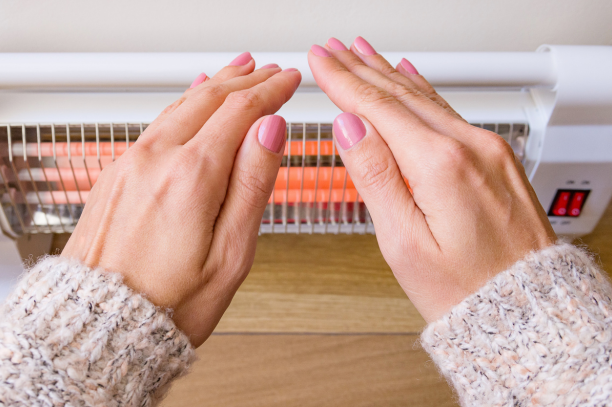
Cold hands and feet are one of the most common circulation-related complaints in clinical cardiology settings. While many people assume it is simply a reaction to cold weather or low room temperatures, persistent coldness in the extremities can sometimes point to how efficiently blood is circulating through the body.
Because blood carries oxygen and regulates internal temperature, any reduction in blood flow to the hands and feet can make them feel noticeably colder than the rest of the body. In some cases, this is entirely benign. In others, it may reflect an underlying vascular or cardiovascular condition that deserves attention.
Understanding the difference between normal temperature sensitivity and a circulation-related symptom is key to knowing when to monitor the issue and when to seek medical evaluation.
At Colorado Springs Cardiology, patients are often evaluated for symptoms like cold extremities alongside other subtle signs of vascular changes. These early indicators can provide valuable insight into overall cardiovascular health.
The body is constantly adjusting blood flow to maintain stable internal temperature. When exposed to cooler environments, blood vessels near the skin naturally narrow in a process known as vasoconstriction. This helps preserve heat for vital organs such as the heart, brain, and lungs.
Because the hands and feet are furthest from the heart, they receive less blood flow during this process. That makes them especially sensitive to even minor changes in circulation.
According to the American Heart Association, vascular function plays a central role in regulating blood flow and maintaining proper circulation throughout the body, particularly in the extremities where changes are often first noticed.
In healthy individuals, this narrowing of blood vessels is temporary. Once the body warms up or stress levels decrease, blood flow returns to normal. When symptoms persist beyond these conditions, it may indicate a deeper issue affecting circulation efficiency.
Not all cold extremities are related to cardiovascular disease. In fact, most cases are linked to everyday physiological or environmental factors.
One of the most common causes is simple temperature exposure. Air conditioning, seasonal weather changes, or sudden drops in temperature can all trigger normal vasoconstriction responses. Some individuals are naturally more sensitive to these changes due to differences in vascular reactivity.
Lifestyle factors also play a significant role. Prolonged sitting or low physical activity can reduce circulation since muscle movement helps promote blood flow. Over time, this can make the extremities feel colder, especially during long workdays or sedentary routines.
Stress and anxiety are another frequent contributor. During stress responses, the body releases hormones such as adrenaline that temporarily constrict blood vessels. This “fight-or-flight” response can reduce blood flow to the hands and feet even in warm environments.
More persistent cases may be associated with medical conditions such as:
Among these, peripheral artery disease is particularly relevant from a cardiovascular standpoint. PAD occurs when plaque buildup narrows the arteries, reducing blood flow—most commonly to the legs and feet. Early symptoms can be subtle and may include coldness, fatigue, or cramping in the lower limbs.
The National Heart, Lung, and Blood Institute notes that PAD often develops gradually and may not be recognized until blood flow is significantly restricted.
In some cases, medications that affect blood pressure or vascular tone can also contribute to cold sensations in the extremities. When symptoms begin after a medication change, it is worth discussing with a healthcare provider.
Occasional cold hands and feet are usually harmless. However, when symptoms become persistent or occur alongside other vascular changes, reduced circulation may be a contributing factor.
Signs that may suggest circulation issues include:
These symptoms may indicate that blood is not reaching the extremities as efficiently as it should. Because circulation problems often develop gradually, early symptoms are sometimes overlooked or attributed to less serious causes.
One condition often associated with these symptoms is peripheral artery disease. As arterial narrowing progresses, blood flow to the lower extremities becomes more limited, especially during physical activity when demand increases.
Cold extremities can also reflect broader cardiovascular efficiency. When the heart is not pumping optimally, the body naturally prioritizes blood flow to essential organs, which may reduce circulation to the hands and feet.
The American Heart Association emphasizes that early recognition of vascular changes is important, as peripheral artery disease and related conditions often develop slowly over time before becoming more clinically apparent.
Circulation is strongly influenced by daily habits, many of which are modifiable. While not all causes of cold extremities are preventable, improving vascular health can often reduce symptom frequency or severity.
Regular physical activity is one of the most effective ways to support circulation. Movement helps stimulate blood flow and encourages vascular flexibility, allowing blood to reach the extremities more efficiently.
Tobacco use has the opposite effect. Smoking damages blood vessels and reduces their ability to expand and contract properly, which can significantly impair circulation over time.
Diet and hydration also play supportive roles. A balanced diet rich in fruits, vegetables, lean proteins, and healthy fats supports vascular function, while adequate hydration helps maintain proper blood volume and flow.
Stress management is another important factor. Since stress hormones can temporarily constrict blood vessels, chronic stress may contribute to recurring symptoms in some individuals.
Improving circulation often requires a combination of these habits rather than a single change. Even small adjustments, when applied consistently, can have a meaningful impact over time.
If cold hands and feet are persistent, worsening, or accompanied by additional symptoms, a cardiovascular evaluation may be appropriate.
A typical assessment begins with a detailed medical history and physical examination, focusing on circulation, pulse strength, and vascular health. Depending on findings, noninvasive testing may be used to evaluate blood flow and identify any underlying arterial concerns.
These evaluations help determine whether symptoms are related to benign environmental factors or an underlying vascular condition that requires treatment.
Not every case requires intervention, but identifying the cause is important for long-term cardiovascular health and peace of mind.
For patients experiencing ongoing symptoms, Colorado Springs Cardiology provides comprehensive evaluation and treatment options tailored to individual risk factors and health history.
Cold hands and feet are common, but persistent symptoms can sometimes indicate changes in circulation or cardiovascular function. Because blood flow plays a central role in temperature regulation, reduced circulation often becomes noticeable in the extremities first.
In many cases, lifestyle factors are the cause, and symptoms can be improved with healthy habits. In others, cold extremities may be an early signal of vascular conditions such as peripheral artery disease.
Understanding the difference is key. When symptoms are ongoing, worsening, or paired with other warning signs, a medical evaluation can help clarify the cause and guide appropriate treatment.
Colorado Springs Cardiology helps patients identify the root causes of circulation-related symptoms and develop personalized care plans focused on long-term heart and vascular health.